Seawater Desalination System

Advanced SWRO systems converting seawater into clean drinking water. Capacity 1 m³/day to 2,500 m³/day — portable, commercial, and industrial solutions for the Middle East.

Seawater Desalination System

JSH Seawater Desalination Systems

JSH filterwater provides state-of-the-art Seawater Reverse Osmosis (SWRO) desalination systems engineered specifically for the harsh conditions of the Middle East. From compact portable units to large-scale municipal plants, our systems deliver reliable, energy-efficient fresh water from the sea.

How It Works

The membrane method uses a semi-permeable membrane to intercept salt and other impurities in seawater and allows pure water to pass through, thereby achieving seawater desalination. The most commonly used technology is Reverse Osmosis (RO). Under high pressure, seawater passes through a reverse osmosis membrane which only allows water molecules to pass through, while most of the salt and impurities are intercepted.

01Seawater Intake

Raw seawater is drawn in through the intake system

02Supply Pump

Seawater supply pump pressurizes the feed water

03Primary Filter

Removes large particles and suspended solids

04Secondary Filter

Fine filtration for further purification

05High Pressure Pump

Generates the pressure needed to drive water through the RO membrane

06Desalination Membrane

Core RO membrane separates salt from water

07UV Sterilization

Eliminates microorganisms for safe drinking water

08Fresh Water

Clean, potable water ready for use

Product Range

JSH offers three categories of seawater desalination systems to meet every need:

1. Portable / Small Commercial Units (1 – 38 m³/day)

Ideal for yachts, remote camps, small hotels, emergency relief, and off-grid communities. Skid-mounted or containerized units with simple one-touch operation.

2. Medium Commercial Systems (38 – 567 m³/day)

Suitable for hotels, resorts, mid-size industrial plants, and municipal supply. Features advanced PLC automation with touchscreen HMI, energy recovery device (ERD), and automatic flushing.

3. Large Industrial Systems (567 – 2,500+ m³/day)

High-capacity plants for municipalities, large industrial facilities, oil and gas, and coastal communities. Containerized 20ft or 40ft HQ ISO options. 3-year prorated membrane warranty.
Product Range

Choose Your System

JSH offers three system scales to match your exact water demand. All systems can be customized for your specific water source and application.

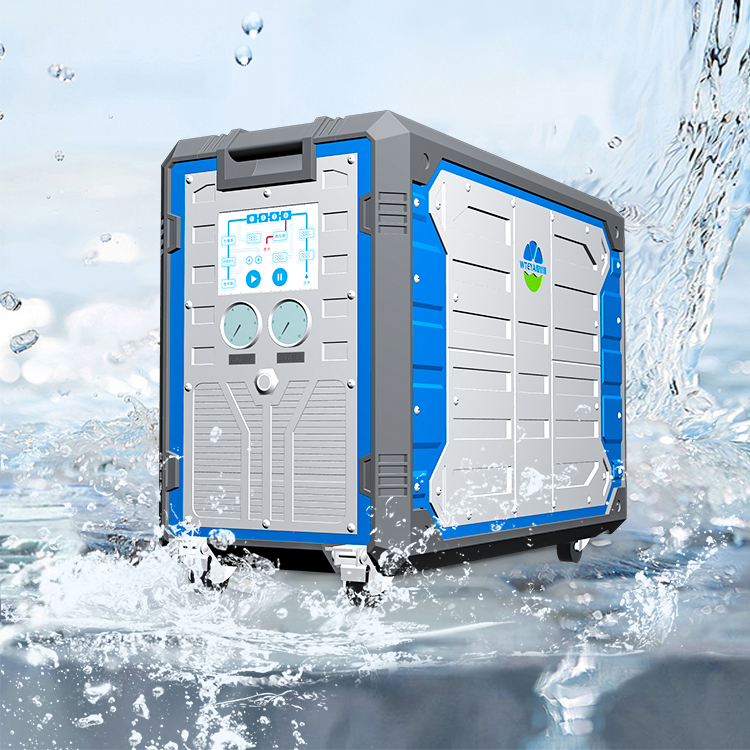
Portable Seawater Desalination Unit

Portable Seawater Desalination Unit

1 – 38 m³/day

Compact, skid-mounted portable desalination units. Output: 1–38 m³/day. Ideal for emergency relief, remote camps, yachts and small communities.

  • Compact skid-mounted or containerized design
  • One-touch start/stop operation
  • Automatic flushing and protection
  • Stainless steel 316L wetted components
Capacity 1 – 38 m³/day
Salt Rejection ≥ 99.6%
Feed TDS Up to 45,000 mg/L
Product TDS < 500 mg/L
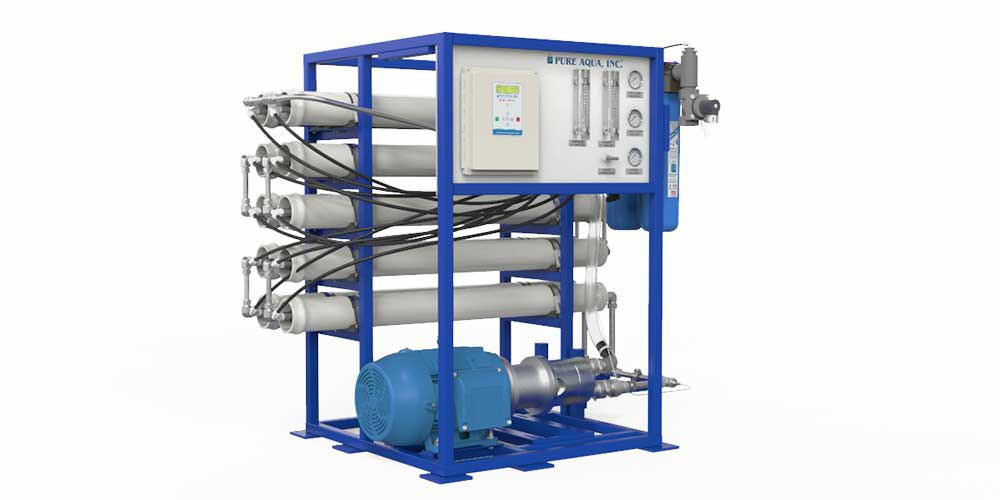
Commercial Seawater RO System

Commercial Seawater RO System

Medium commercial SWRO systems for hotels, resorts, and industrial facilities. Output: 38–567 m³/day with PLC automation and energy recovery.

  • Full PLC automation with touchscreen HMI
  • Energy Recovery Device (ERD) — saves up to 60% energy
  • Automatic CIP (Clean-In-Place) membrane cleaning
  • Remote monitoring via internet/SCADA
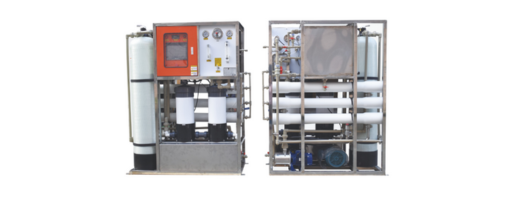
Industrial Seawater Desalination Plant

Industrial Seawater Desalination Plant

567 – 2,500+ m³/day

Large-scale containerized SWRO desalination plants for municipal and industrial use. Output 567–2,500+ m³/day in 20ft/40ft ISO containers.

  • Containerized 20ft/40ft HQ ISO design for rapid deployment
  • High-efficiency Energy Recovery Device (ERD)
  • Variable frequency drive (VFD) on all pumps
  • Full SCADA remote monitoring and control
Capacity 567 – 2,500+ m³/day
Salt Rejection ≥ 99.6%
Feed TDS Up to 45,000 mg/L
Recovery Rate 35–45%

Frequently Asked Questions

Is a desalination system energy-intensive?
JSH desalination systems adopt advanced energy recovery technology, achieving ultra-high water production rates with large flow capacity and low energy consumption. Our latest systems with energy recovery devices (ERD) can reduce energy consumption by up to 60% compared to conventional systems — making large-scale desalination economically viable for the Middle East market.
Are JSH desalination systems prone to failures?
JSH desalination systems are built with durable, corrosion-resistant materials specifically selected for harsh marine and desert environments. All wetted components use 316L stainless steel, high-grade FRP pressure vessels, and HDPE piping. Combined with our automated monitoring and protection systems, our plants consistently achieve 20+ year service lives with minimal downtime.
What does desalinated water taste like?
JSH desalinated water undergoes post-treatment mineralization to restore natural mineral balance, resulting in clean, fresh-tasting water that meets WHO Drinking Water Guidelines — among the safest and best-tasting in the world. Our optional remineralization stage adds calcium and magnesium for improved taste and health benefits.
Is the maintenance cost of a desalination system high?
JSH desalination systems feature an integrated modular design that makes installation and ongoing maintenance simple and cost-effective. Routine maintenance primarily involves membrane cleaning (CIP), filter cartridge replacement, and chemical dosing replenishment. Our systems are designed with easy-access components and standardized parts, keeping annual maintenance costs to a minimum.
Can operator error cause system failures?
JSH desalination systems use a fully automated PLC control system with intuitive touchscreen HMI. One-touch start/stop, automatic pre-rinse, real-time parameter monitoring, and multi-level alarm protection greatly reduce the possibility of operator-induced failures. Even inexperienced operators can manage the system safely after basic training.
Why is desalination important in the Middle East?
The Middle East faces severe freshwater scarcity — with some countries having less than 100 m³ of renewable freshwater per capita annually. Desalination is the primary solution for coastal cities, islands, oil & gas facilities, and resort developments. JSH mobile and permanent desalination systems can rapidly deploy to provide emergency or permanent drinking water supply wherever it is needed.
Who manufactures JSH desalination systems?
JSH.filterwater designs, engineers, and manufactures all desalination and water filtration systems. We provide full OEM/ODM customization, global project installation support, and after-sales service. We also recruit regional distributors and agents worldwide — contact us to explore partnership opportunities.
What is the environmental impact of your desalination systems?
JSH places a high priority on minimizing environmental impact. Our systems use energy recovery devices to reduce power consumption, concentrated brine discharge is managed in compliance with local environmental regulations, and we offer solar-powered options for zero-emission operation. Our systems have minimal impact on the marine environment when properly installed and operated.
How long do RO membranes last in your systems?
With proper pre-treatment and regular CIP (Clean-In-Place) cleaning, JSH RO membranes typically last 3-5 years in seawater applications and 5-7 years in well water applications. Our automated flushing and cleaning systems help maximize membrane lifespan. We provide genuine replacement membranes and full technical support throughout the membrane lifecycle.
Can your systems run on solar power?
Yes. JSH offers solar-powered configurations for both seawater desalination and well water filtration systems. This is particularly valuable for remote coastal areas, islands, and off-grid locations throughout the Middle East where reliable grid power is unavailable or expensive. Our solar systems include battery storage for continuous 24/7 operation.
What is the minimum order and lead time?
JSH has no minimum order quantity (MOQ) — we serve both small-scale projects and large municipal installations. Lead time varies by system size: portable units (< 5 TPD) typically ship within 2-4 weeks; medium systems (5-100 TPD) within 4-8 weeks; large containerized plants are quoted individually. Contact our sales team for a customized project timeline.

Ready to Get Clean Water?

Contact us today for a free consultation and custom engineering proposal. Response within 24 hours.